

ARTICLE | June 26, 2026
Northern Ontario’s economic strategy is shifting. Rather than simply exporting raw resources, the region is retaining more value through local processing, advanced manufacturing, industrial services, and innovation. This direction is outlined in the Prosperity and Growth Strategy for Northern Ontario 2025-2030 and FedNor’s 2026-27 Departmental Plan, both of which prioritize building on the region’s existing industrial strengths to create a more competitive and resilient economy.
The Core Shift: Retaining the Supply Chain
Instead of extracting minerals, harvesting timber, or producing agricultural goods and then shipping them elsewhere for processing, Northern Ontario’s current strategy focuses on retaining more of the value chain locally. That means expanding refining, advanced manufacturing, specialized industrial services, technology adoption, and innovation within the region. Value-added production means increasing the worth of a raw material by processing or manufacturing it into a more valuable product before it leaves the region.
Building on Existing Industrial Strengths
Northern Ontario’s economic strategy starts with what the region already does well: a deeply rooted foundation of resource industries and the specialized supply, service, and technology sectors that support them.
Mining Supply and Services
Mining remains a major driver of regional GDP and export value. Northern Ontario is home to more than 30 active mines and over 900 mining supply and service companies. These businesses specialize in engineering, mine technology, contract drilling, equipment manufacturing, automation, and environmental services. Together, they form one of Canada’s largest and most specialized mining supply clusters.
Manufacturing and Forestry
Advanced manufacturing, including industrial equipment production, value-added wood products, and manufacturing that supports mining and resource industries, continues to anchor regional employment. Federal strategy increasingly emphasizes expanding value-added production across these established industries. Rather than treating these sectors independently, current regional development policy works to strengthen the connections between them, creating more integrated industrial supply chains and retaining greater economic value within Northern Ontario.
Why Northern Ontario’s Economic Strategy Is Changing
For decades, Northern Ontario relied on an extract and export model, shipping raw minerals and timber elsewhere for final processing. The weakness of this approach became clear over the past two decades. Mill closures and shrinking processing capacity in the forestry sector led to significant job losses across the region.
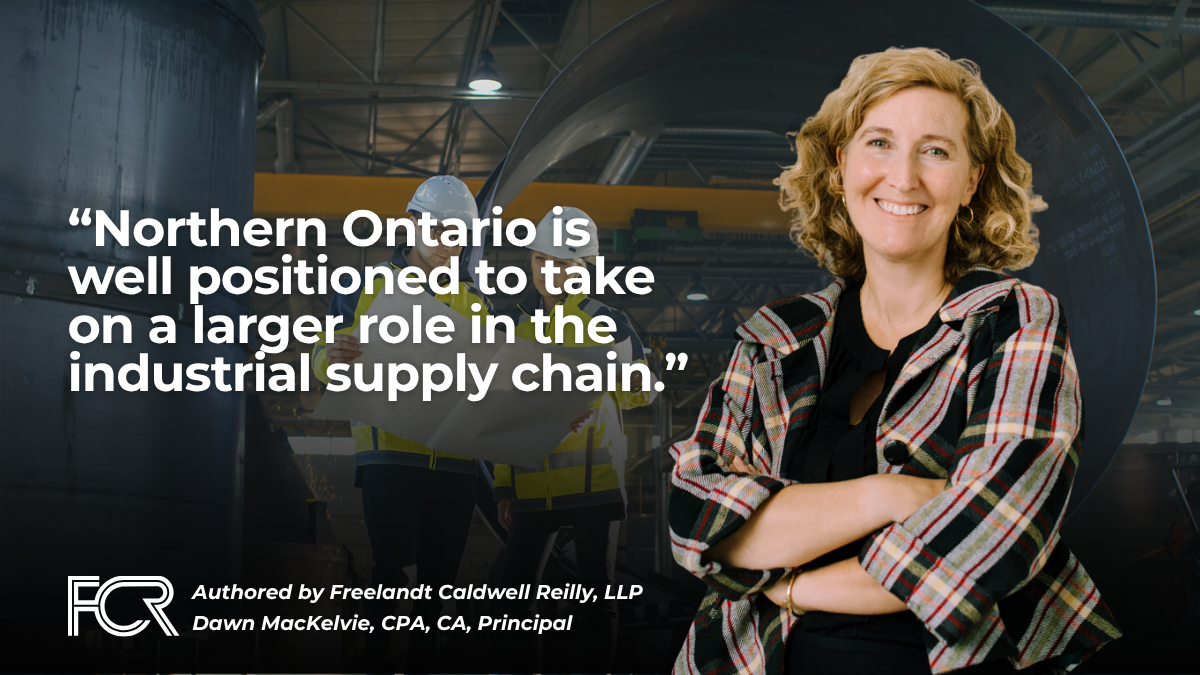
Today, economic policy is focused on reducing that risk. Global demand is rising for critical minerals such as nickel, copper, cobalt, and lithium. These materials are essential for electric vehicles, clean technologies, and advanced manufacturing. As a result, Northern Ontario is well positioned to take on a larger role in the industrial supply chain. Federal and regional development strategies now prioritize three core objectives to support this transition:
- Advanced Technology Adoption: Accelerating the use of digital tools, automation, artificial intelligence, and clean technologies to improve productivity and support value-added industrial processes.
- Innovation and Commercialization: Supporting research, collaboration, and the practical application of new technologies that help businesses compete in domestic and global markets.
- Scaling Existing Businesses: Helping established Northern Ontario businesses improve productivity, expand into new markets, adopt advanced manufacturing processes, and integrate more deeply into regional and global supply chains.
The intended result is a stronger regional economy where localized processing, advanced manufacturing, industrial services, and innovation generate higher-paying, specialized jobs while keeping more economic value in Northern Ontario.
What This Means for Northern Ontario Businesses
For businesses operating in or entering Northern Ontario, this shift matters. Federal programs are increasingly designed to support businesses that strengthen regional supply chains, improve productivity, bring innovations to market, or expand value-added industrial capacity. Businesses that align with these priorities are better positioned to access available funding and grow within the region.
Access to Targeted Capital
Public funding programs, regional development initiatives, and innovation hubs are directing resources toward businesses investing in automation, advanced manufacturing, clean technologies, artificial intelligence, and productivity improvements. Recent investments in electric mining technologies, advanced manufacturing, and innovation commercialization illustrate this strategic direction clearly.
A Growing Regional Industrial Market
As more value-added processing, manufacturing, and industrial activities are encouraged within Northern Ontario, the market for specialized services is expanding. Engineering firms, technology providers, equipment manufacturers, logistics companies, and specialized service businesses are all positioned to benefit from a broader regional customer base.
Looking Ahead: A More Resilient Northern Ontario Economy
By expanding value-added production, innovation, and advanced industrial capabilities, Northern Ontario aims to retain a greater share of the economic value generated from its natural resources. For business owners, entrepreneurs, and investors in the region, understanding this strategic direction is essential to identifying where growth opportunities are emerging and where federal support is most likely to flow.
At FCR, we work closely with Northern Ontario businesses across mining, manufacturing, construction, and professional services to help them navigate economic shifts, access funding, and build sustainable growth strategies. If you want to understand how this changing landscape affects your business, contact our team today.

Let’s Talk!
Call us at 1 855 363 3526 or fill out the form below and we’ll contact you to discuss your specific situation.