

ARTICLE | April 09, 2026
The mining and minerals sector is a central driver of Canada’s economy, supporting over 724,000 jobs nationwide and contributing more than $156 billion annually to the Gross Domestic Product (GDP). Northern Ontario plays a critical role, especially as global demand for critical minerals rises.
Both provincial and federal governments recognize the region’s long-term challenges, including labour shortages, limited population growth, and the need for economic diversification. Coordinated programs and investments are underway to address these issues.
Strengthening a Strategic Sector
Global demand for critical minerals is rising due to the energy transition, digital infrastructure, and defence applications:
- Lithium demand increased 30% from 2022 to 2023.
- Nickel, cobalt, and graphite grew 8 to 15% over the same period.
- Nickel demand is projected to nearly double by 2040 compared to 2021 levels.
In 2023, Northern Ontario produced a significant portion of Canada’s total mineral value, including 81% of its platinum group elements, 59% of its nickel, and 56% of its cobalt.
Governments are aligning national priorities, including economic growth, climate action, and Indigenous partnerships. The Canadian Critical Minerals Strategy guides these initiatives to strengthen innovation and domestic supply chains. Key programs include:
- Critical Minerals Processing Fund (CMPF): $500 million for processing and infrastructure.
- Critical Minerals Innovation Fund (CMIF): $15 million for innovation from exploration to production.
- FedNor investments: Federal funding for Northern Ontario, including $1.56 million for AI-powered mining research and nearly $5 million for regional projects supporting manufacturing and mining services.
Addressing Labour Market Pressures
Labour shortages remain a persistent challenge, reshaped by an aging workforce and limited population growth. In 2025, Northern Ontario recorded a 3.2% increase in employment, yet vacancy rates remain high in specialized trades. The mining sector continues to face a projected shortage of thousands of workers by 2040.
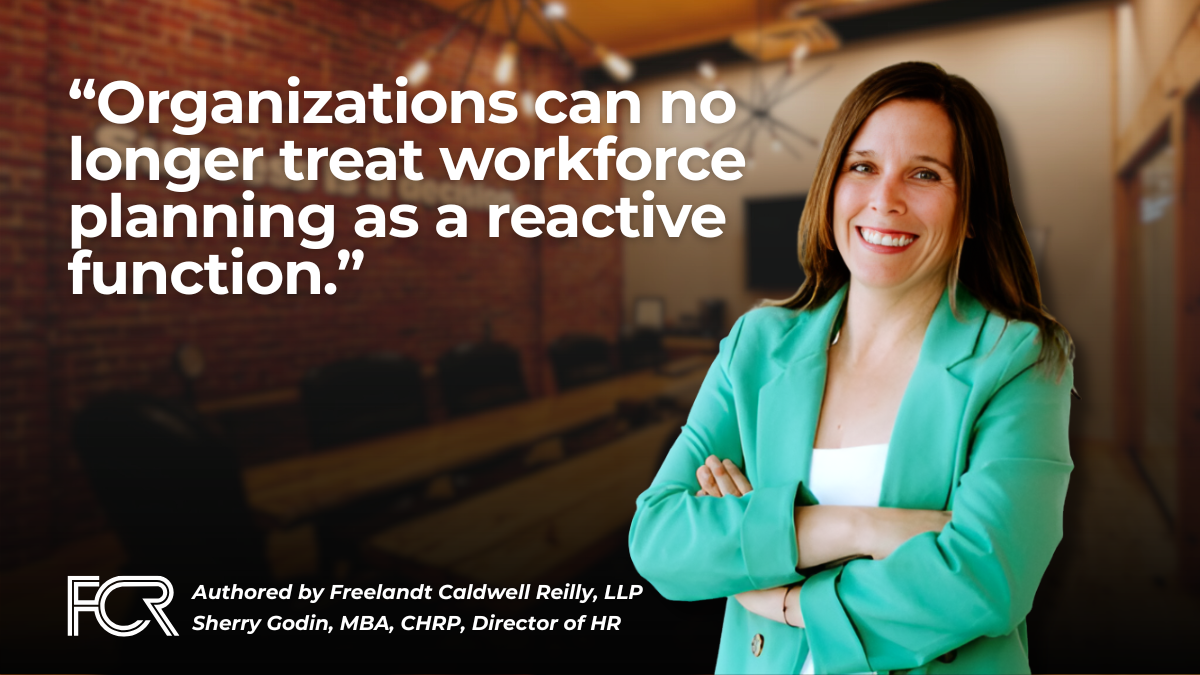
Organizations can no longer treat workforce planning as a reactive function. This shift requires a deliberate approach to succession planning, compensation, and skills development. Those that invest in clear career pathways and strong workplace cultures will be better positioned to manage ongoing constraints.
In the meantime, programs that support workforce gaps through targeted immigration play an important role:
- Rural Community Immigration Pilot (RCIP): The permanent successor to the previous rural pilot, attracting newcomers to 14 northern communities.
- Francophone Community Immigration Pilot (FCIP): A new initiative to bring French-speaking immigrants to northern hubs.
- Ontario Immigrant Nominee Program (OINP): Provides provincial nomination streams for in-demand workers.
Supporting Economic Diversification
Mining contributes to higher-than-average incomes in the North. The sector is also increasingly defined by meaningful Indigenous partnerships that focus on long-term economic participation and shared success.
However, innovation remains an area for growth. Northern Ontario recorded 34.9 patents per 1 million people, compared to 44.3 in mining regions within the Organization for Economic Co-operation and Development (OECD). The OECD is an international group used as a global benchmark for developed economies. Governments are addressing this through FedNor investments in advanced technologies and AI adoption.
Northern Ontario’s ecosystem of Small and Medium-Sized Enterprises (SMEs), which refers to local businesses with fewer than 500 employees, remains strong. In 2023, over 72,000 businesses operated in the region, representing a growth of 9% between 2016 and 2023.
Population and Regional Growth
While Northern Ontario grew 2.3% between 2001 and 2021, compared to 24.7% in the rest of Ontario, the population is projected to grow 12% between 2023 and 2046. To sustain the workforce, the region needs to attract approximately 8,100 new residents annually.
Regional hubs like Greater Sudbury, North Bay, and Thunder Bay maintain stable populations due to diversified economies and regional service roles.
Infrastructure and Housing Initiatives
Governments are laying the foundation for future expansion:
- Regional Homebuilding Innovation Initiative: Increases housing supply through innovative construction.
- Highway 11/17 corridor improvements: Enhance connectivity for trade and economic activity.
- Municipal housing strategies: Aim to expand affordable housing for workers and families in hubs like Greater Sudbury.
Outlook
Northern Ontario continues to face long-term challenges in labour and population. Governments are responding through targeted immigration, mining innovation, and infrastructure initiatives. Regional centres remain well-positioned to support long-term activity, backed by established operations and continued project development.
The good news is that you do not have to figure this out on your own. The Human Resources team at FCR Paradigm works with employers across Northern Ontario to build workforce strategies that go beyond hiring. Our services cover succession planning, total rewards, and workplace culture. If you are facing rising vacancy rates or losing experienced workers to retirement, reach out to our team today.

Let’s Talk!
Call us at 1 855 363 3526 or fill out the form below and we’ll contact you to discuss your specific situation.